Open air Fountain Guide
 Joseph McGriff
 Joseph McGriff
The option of an open air wellspring to a garden or yard can make a shocking point of convergence or include an unobtrusive beautifying touch. There's an open air wellspring that suits each individual inclination and style. Before buying an open air wellspring, read this guide for all that you'll have to think about fountains, from usefulness to style to material.
3 Types of Fountains
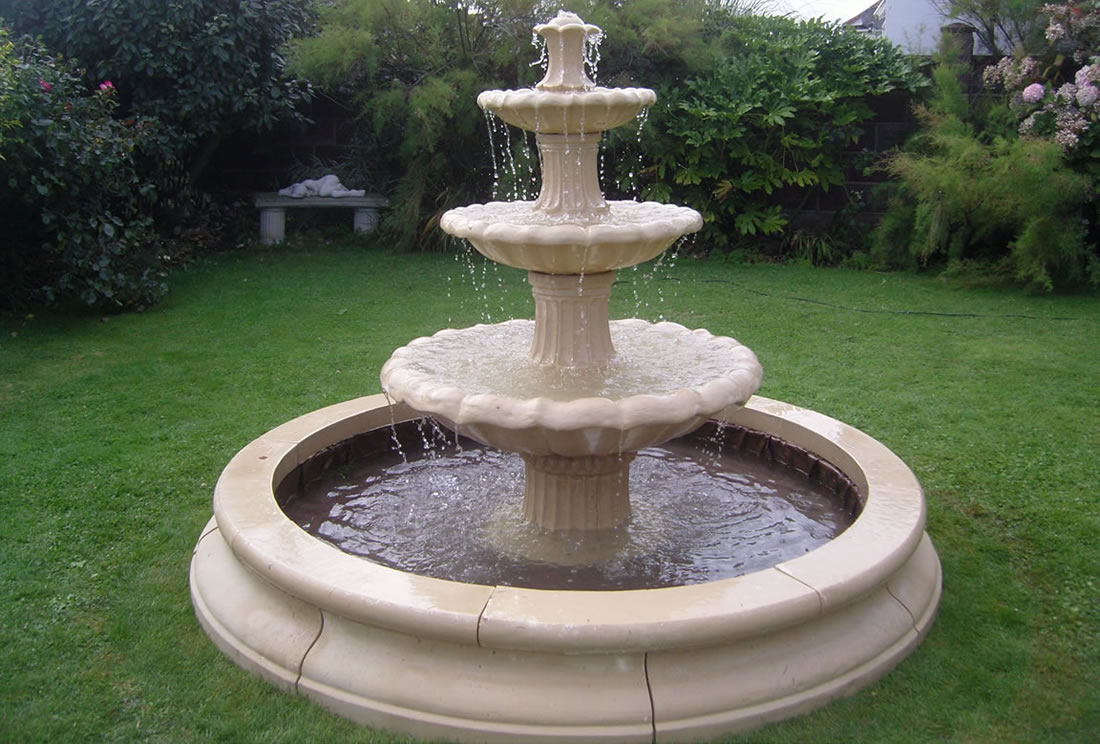
1. Floor and Free Standing
Put these fountains on a level surface to shield from engine burnout and uneven water stream, which hurts the wellspring.
2. Tabletop
Littler than unattached open air fountains, tabletop models give a milder, unwinding sound.Be beyond any doubt not to pack your tabletop wellspring to maintain a strategic distance from flood and water harm to surfaces that shouldn't be reliably soggy.
3. Divider
Ordinarily utilized as a part of littler yards or side yards, these fountains append to a divider or the side of a house.These ought to be held tight a level plane to take into account engine security and even water stream.
Tip!
Attempt to keep up the water level. It will guarantee the longest existence of your wellspring pump and engine. Low water levels can bring about the engine to wear out and the wellspring will make more commotion. High water level causes flood, spillage, or sprinkling.
7 Common Fountain Materials
To consider what kind of material best fits into your scene, think about the atmosphere you live in (whether it's cool or warm, muggy or dry), how the wellspring will age, and how it will facilitate with the your plants and other open air stylistic layout. Look at the 7 most normal materials beneath:
1. Fiberglass
Sturdy and lightweight Can form into various shapes
2. Gum
DurableA spending plan benevolent optionMimics the presence of different characteristic materialsScratches are anything but difficult to evacuate
3. Stone
Incorporates shake, stone, marble, and moreAvailable in a scope of regular hues Highly tough and impervious to wear A heavier material
4. Copper
Ages and builds up a greenish patina after some time for included characterA more sensitive material, as it can be effortlessly scratched or dentedOften matched with different components, for example, slate or stone
5. Metal
Sturdy and long-lastingCommonly utilized as a part of sculptural fountainsBest suited for a changeless establishment since it's overwhelming
6. Stainless Steel
Sturdy and long-lastingResistant to erosion and rustEasy to clean
7. Earthenware
Sturdy and long-lastingAvailable in a wide assortment of hues and coated or unglazedOften combined with rocks or stones to produce relieving sound impacts
Tip!
For most open air fountains, utilize a garden hose as the water supply. Try to add a green growth treatment to the water to help avert destructive green growth development and develop.